
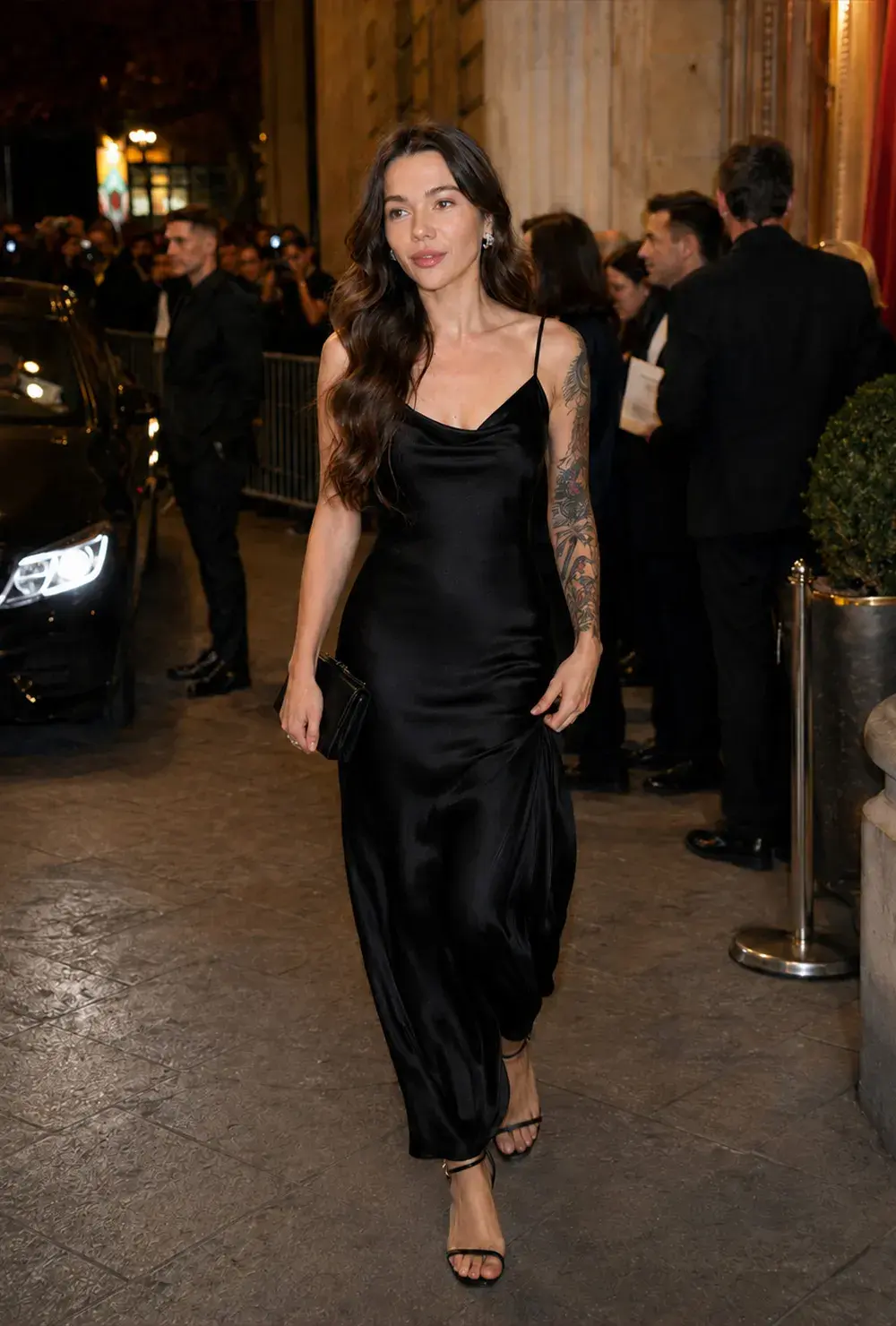
Founder of PRINCE AGENCY
The shoot went well. The light is flattering, the jacket fits, and you look at the photos and think, “That looks good, but it doesn’t feel like me.” The photographer sends the full gallery. You keep the old profile picture because you recognise yourself in it.
It can happen with clothes too. A stylist puts together a wardrobe that fits and works beautifully. Before your next meeting, you reach for your usual clothes. The new outfits stay in the wardrobe because wearing them feels like taking on a role.
Good work can still leave you with a photo you hesitate to publish, an outfit you rarely wear or a way of speaking you can sustain for only one video. What feels unfamiliar about it?
Why a good photograph might still be wrong for you
Imagine a teacher whom students trust with questions they are embarrassed to ask. The teacher sits beside them, asks where they got stuck and works through it calmly. That is what earns recommendations. Yet a formal portrait behind a large desk makes the teacher look like an executive you need an appointment to see.
You could shoot another portrait. What would you ask the photographer for? “I want to look professional” could apply to either a teacher or a bank director. “Show me explaining a problem to a student” tells the photographer whom to bring into the frame, where to sit and what to do with your hands.
Do you need to be more animated on camera?
The same teacher decides to make a short video. Popular creators speak quickly, speak loudly and start with a disagreement. The teacher tries it. Five takes later, they are tired and still sound like they are acting annoyed.
Starting with a question a student asked yesterday gives the teacher someone to speak to, a familiar tone and a reason to explain. Delivery and pauses can still be practised. The tone itself will be easier to keep on stage when an unexpected question comes up.
The same thing happens with content. You borrow one colleague’s design, another’s ironic captions and a third’s approach to video. Together they can feel like the work of three different people. Or perhaps you are direct at work and take responsibility for complex decisions, while the tone of your blog makes it hard to see those qualities.
People piece together your public image from different encounters. One sees your portrait, another reads a post, and someone else hears you answer a question at a conference. Each encounter can make the same professional qualities visible.
What to review in your material
Choose a photo, a text and a short recording of a talk or work conversation. Recall an outfit you chose for a public event. Compare what these materials show with how you handle a familiar situation at work.
| Element | What to look at | What to prepare |
|---|---|---|
| Visual presentation | The impression made by silhouette, details and setting | A brief for a photographer or stylist |
| Speech | Words and explanations that come naturally | Examples of your own delivery |
| Behaviour | How you listen, disagree and respond | Guidelines for public appearances |
| Story | Events that explain your professional path | Real events and decisions worth sharing |
For the teacher, this might mean a website photograph taken during a lesson or a short video about a mistake students often make. Pick one change to try before the next shoot or wardrobe purchase. Show it to someone who has seen you work and someone who hasn’t. Ask what they would expect from a conversation with you.
How to tell a story that shows your experience
The teacher might once have given students the right answer straight away, then noticed that they could repeat it without knowing how to solve a similar problem alone. Changing how they explained it makes their approach easier to understand.
Think of a real occasion when you changed how you worked. What did you notice? What did you try next? What did that decision change? A specific example lets people see how you think.
What you can do yourself and when to ask for help
If you know the impression you want to make, give the specialist a clear brief. Show the photographer a work situation worth capturing. Tell a stylist what a typical day looks like. Bring a real recording to a speaking coach.
Sometimes each specialist delivers good work, yet the pieces still feel disconnected. In individual work, we start with the person and their goals and use the Character methodology to develop a public identity that can guide decisions across formats.
Start with the portrait, outfit or video you have avoided using. Complete this sentence: “In this, I look or sound as though I…” Your answer may show where the work needs to begin.
Book an introductory meetingAbout the author
Julia Prince advises on positioning, personal branding, reputation and public identity. She founded PRINCE AGENCY, created the Character methodology and has completed more than 150 projects. She has written for Forbes and served on the expert jury of the Brand of the Year award.
Frequently asked questions
01Will I need a new wardrobe?
Start with the clothes you already wear to meetings and talks. If you can work comfortably in them and they suit the shoot, use them as a starting point. Buy a separate piece when you know which shot or event calls for it.
02Can I look different on my blog and at a business meeting?
Of course. A teacher might wear a hoodie in a short video and a jacket at a conference. People recognise how attentively they listen and what kind of example they use to answer.
03Where can I start if I have no time for a shoot?
Record a phone video answering one client question as you would in a meeting. Listen for the moment you start speaking in your own words. That clip can suggest both a topic and a way to speak on camera.
More articles

Discuss your goals
Book an introductory meeting to discuss your goals and find a suitable way to work together.